Picture twenty new polos lined up on a conference table. The colors are right, every size is accounted for, and the company logo looked sharp on the approval screen.
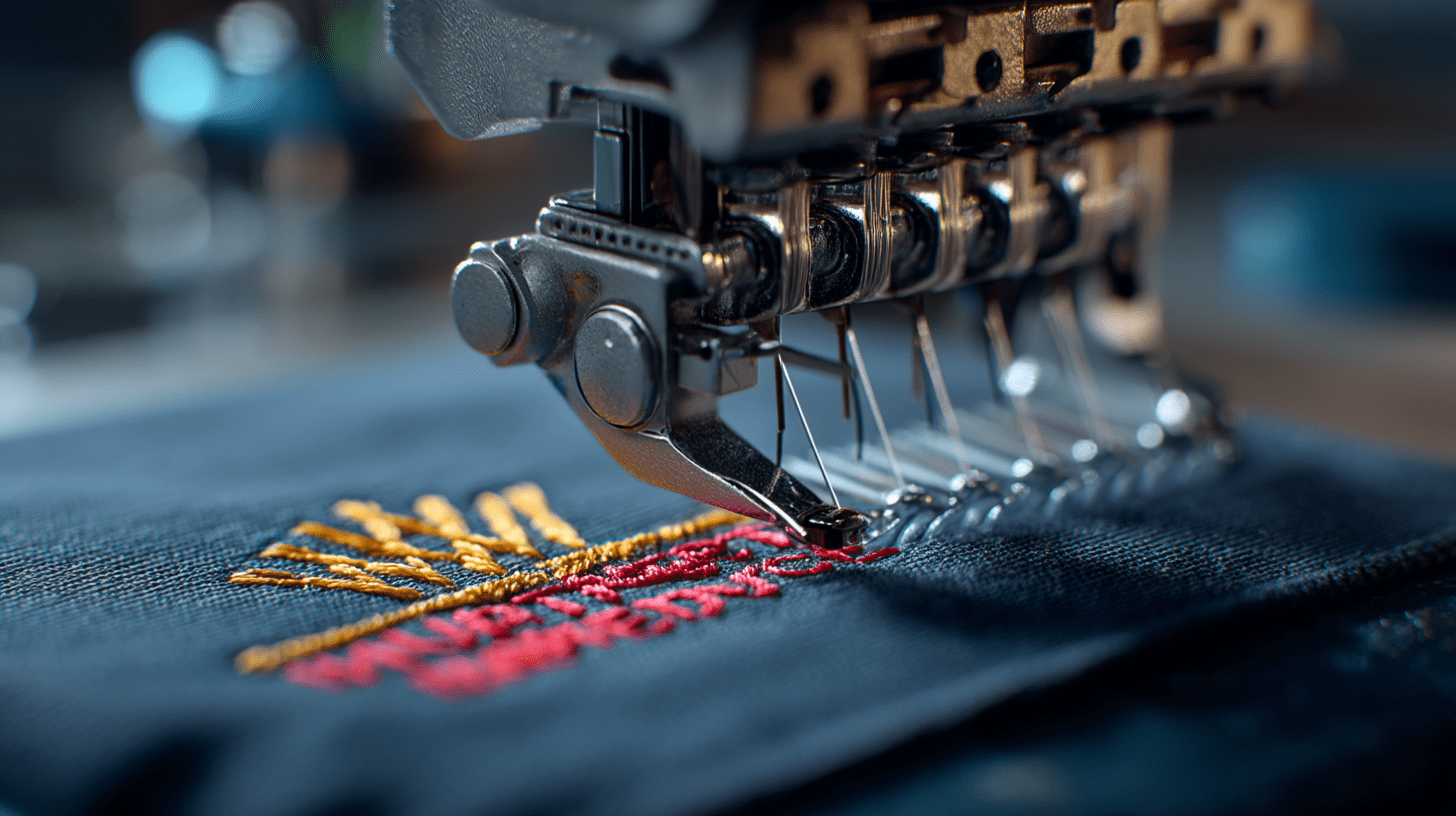
Then the first stitched sample comes off the machine with ripples around the lettering.
That small problem can turn into an entire uniform order that never looks quite right.
For most company logos, the best shirts for embroidery are structured polos, stable midweight T-shirts, woven work shirts, and performance garments chosen for the actual design. Fabric matters, but so do logo size, stitch density, placement, backing, and how employees will wear and wash the shirt.
This is not a minor purchasing decision. According to the U.S. Small Business Administration’s February 2026 data, American small businesses employ 62.3 million people. For many teams, branded apparel is part of the daily uniform rather than a one-time giveaway.
- Stable, closely constructed fabric usually handles embroidery better than thin, loose, or highly stretchy material.
- Cotton, polyester, and blends can all work. The finished fabric matters more than the fiber name alone.
- No blank shirt is completely pucker-proof. Digitizing, backing, hooping, and testing still affect the outcome.
- The right choice depends on the job. An office polo and an outdoor work shirt should not be judged by the same standard.
What Makes a Shirt Good for Embroidery?
A shirt is embroidery-friendly when it can support repeated needle penetrations without shifting, stretching, or gathering around the design.
Here is what changes the result.
Compact jersey, pique, interlock, twill, Oxford, and stable poplin give the stitches a dependable foundation. A loose knit moves more easily and usually requires more support.
Manufacturers may list weight in GSM, meaning grams per square meter, or ounces per square yard.
Heavier fabric often handles dense embroidery well, but weight alone does not tell the whole story. A compact mediumweight knit may produce a cleaner result than a heavier shirt with a loose, stretchy construction.
Performance shirts can be embroidered successfully, but elastic fabric moves more inside the hoop. The backing and stitch file must control that movement without making the garment feel stiff.
Smooth interlock and jersey can help small lettering remain readable. Pique creates the familiar textured polo look, although very fine stitches may settle between its raised fibers.
Stitch density describes how closely the stitches sit together. A solid crest or filled emblem places more stress on the garment than a simple name or open-line design.
Before choosing a shirt from a catalog, show the actual artwork to a provider of company logo embroidery. A detailed logo may require a different shirt, a larger finished size, or minor artwork adjustments to stitch cleanly.
The 12 Best Blank Shirt Styles for Company Embroidery
“Best” should mean best for the logo, wearer, and working conditions. It should not automatically mean softest, thickest, or most expensive.
| Blank shirt style | Best use | Why it works | What to check |
| 1. Structured pique polo | Everyday company uniforms | Firm knit and a classic professional appearance | Fine details may settle into the texture |
| 2. Smooth interlock polo | Offices and client-facing teams | Smooth surface supports clean lettering | Softer styles may need firmer backing |
| 3. Cotton-poly polo | Mixed indoor and outdoor work | Balances comfort, shape retention, and easy care | Blend quality and stretch vary |
| 4. Performance polo | Active and outdoor teams | Lightweight feel and moisture management | Stretch exposes poor digitizing or hooping |
| 5. Heavy-duty work polo | Field service and trades | More body for bold company logos | May feel warm during physical work |
| 6. Midweight ring-spun cotton tee | Casual employee apparel | Smooth surface with a comfortable feel | Avoid large, stitch-heavy designs |
| 7. Heavyweight cotton tee | Durable workwear and bold logos | Substantial fabric supports fuller designs | Extra weight is not ideal for every climate |
| 8. Cotton-poly jersey tee | Regular team wear | Combines comfort with useful shape retention | Test shrinkage and fabric movement |
| 9. Performance T-shirt | Outdoor crews and fitness teams | Breathable and quick-drying | Usually needs careful stabilization |
| 10. Twill work shirt | Contractors and maintenance teams | Stable woven surface supports strong logos | Pockets and seams reduce usable space |
| 11. Oxford button-down | Offices, sales, and administration | Structured weave creates a polished finish | Plackets and folds affect hooping |
| 12. Stretch woven uniform shirt | Hospitality and mobile staff | Professional appearance with easier movement | Dense logos can fight the stretch |
Which Polo Shirt Is Best for Logo Embroidery?
A structured pique or interlock polo is the safest starting point for many company uniform orders.
Choose pique when the business wants a traditional textured polo that can support a bold left-chest logo. Choose interlock when the design contains smaller lettering, thin outlines, or details that benefit from a smoother surface.
For corporate uniform programs, buyers should also compare:
- color availability across future orders;
- men’s, women’s, youth, and extended sizing;
- collar shape after washing;
- employee comfort over a full shift;
- resistance to snagging or abrasion;
- availability of the same style for reorders.
A polo that stitches beautifully but disappears from the supplier’s catalog six months later can create a different kind of uniform problem.
Which T-Shirts Work Best for Machine Embroidery?
The best T-shirts for machine embroidery feel soft without behaving like tissue inside the hoop.
A stable midweight ring-spun cotton tee can provide a smooth surface for clean lettering. A well-made cotton-poly jersey may offer better shape retention for shirts worn and washed frequently.
Heavyweight cotton is useful for bold logos, workwear, and merchandise with a more substantial feel. Still, heavier is not automatically better. A large block of thread can make even a sturdy shirt uncomfortable.
For oversized front or back artwork, the smarter question may be whether embroidery is the right decoration method at all. This guide to embroidery vs. screen printing explains when a printed design may suit the garment better.
Is Cotton or Polyester Better for Shirt Embroidery?
Neither material wins in every situation.
Cotton often provides a comfortable, stable surface, especially in compact jersey and woven shirts. It works well for casual employee tees, office apparel, and designs that need a smooth stitching area.
Polyester suits active jobs, outdoor teams, moisture-wicking uniforms, and garments that need to dry quickly. It can produce crisp embroidery, but stretchy performance fabric requires a more controlled setup.
Cotton-polyester blends often provide a practical middle ground. They can combine everyday comfort with useful durability and shape retention.
The better choice depends on how the finished fabric behaves, not simply what appears on the fiber label. Ask:
- Does the shirt stretch easily?
- Is the knit compact or loose?
- Will employees work around heat or outdoors?
- How often will the garment be washed?
- Is the logo light and open or dense and filled?
Which Shirts Are Least Likely to Pucker?
No shirt can guarantee zero puckering.
Stable, closely constructed garments are usually less troublesome, but the design and production setup still matter. Puckering commonly appears when:
- the fabric is too light or stretchy for the design;
- the logo contains too many stitches for its finished size;
- the backing provides too little support;
- the shirt is loose or overstretched in the hoop;
- the hoop is much larger than the design; or
- the design was not tested on the selected garment.
Brother identifies fabric slack, unsuitable hoop size, missing stabilizer on thin or stretchy fabric, and incorrect digitizing as possible causes of misaligned embroidery. Its fabric guidance also recommends a test sample when the correct fabric-and-stabilizer combination is uncertain.
What Is the Best Stabilizer for T-Shirt Embroidery?
Backing, also called stabilizer, sits behind the garment and helps control fabric movement while the machine stitches.
Cut-away backing remains beneath the embroidery after production. It commonly supports T-shirts, polos, knits, and performance fabrics because those materials may continue stretching after the garment leaves the machine.
No-show mesh is a softer, lower-profile cut-away option that may suit lightweight shirts where a bulky backing would be visible or uncomfortable.
Tear-away backing is removed after stitching and can work well with stable woven fabrics and lighter designs. It is not automatically the right option for every tee or polo.
Melco recommends considering both fabric construction and design density when choosing backing. Stretchy garments generally need lasting support, while stable woven materials may require less.
Ask for a test sew-out when the logo contains small text, dense fill, narrow outlines, precise borders, or a large amount of stitching in a small area.
How Should Logo Placement Affect the Shirt Choice?
Left-chest embroidery remains popular because it is visible without overwhelming the garment. The logo still needs to fit comfortably between the placket, sleeve seam, pocket, and underarm.
Sleeve, upper-back, near-pocket, and lower-hem placements can also work when the design size and surrounding seams allow the garment to sit properly in the hoop. Placement should follow the shirt’s construction rather than forcing every logo into the same position.
Size range matters too. One placement measurement may look too low on a small polo and too high on a larger work shirt. Before approving the full order, compare the smallest and largest garments whenever possible.
Use This Four-Part Check Before Ordering
A simple Logo, Garment, Job, Care review can prevent most poor blank-shirt decisions.
- Logo: Is it simple, detailed, open, dense, or filled with small text?
- Garment: Is the fabric stable, stretchy, smooth, textured, light, or substantial?
- Job: Will employees work indoors, outdoors, around heat, or in constant motion?
- Care: Will the shirts be home washed, heavily laundered, or replaced seasonally?
This stops buyers from choosing one shirt for every department simply because the color matches.
A restaurant may need polished polos for front-of-house employees and durable blend tees for kitchen staff. A contractor may prefer woven work shirts, while an outdoor event crew may need performance polos with a lighter, carefully prepared logo.
Reviewing the garment and artwork together also makes blank apparel sourcing easier when size availability, color continuity, and future reorders matter.
Should a Company Supply Its Own Blank Shirts?
Customer-supplied garments can work when a company already has an approved uniform, preferred supplier, or purchasing agreement.
The embroidery shop should still inspect the exact shirt before production. Two garments described as “polyester polos” may behave very differently because of their knit, stretch, thickness, seams, and surface finish.
Allowing the decorator to source the shirts can reduce guesswork because the blank is selected around the logo and intended use. The current website quote process allows customers to provide their own items or request sourced garments. It also asks for project details such as artwork, item type, quantity, sizing, placement, thread colors, and desired timing.
Before handing over customer-supplied shirts, confirm:
- whether the style has been approved for embroidery;
- how damaged or defective customer items are handled;
- product availability and replacement terms;
- minimum quantities and pricing;
- proof approval requirements;
- current production and turnaround expectations.
Garment colors, sizing, specifications, and availability can change. Recommendations should be treated as project guidance rather than a guarantee that every logo will behave identically on every shirt.
Choose the Shirt for the Logo and the Person Wearing It
The best shirts for embroidery are not one universal product. They have enough stability for the artwork, enough comfort for the job, and enough consistency for the organization ordering them.
Start with a structured polo, stable midweight tee, or woven work shirt. Then check logo density, backing, placement, size range, laundering needs, and working conditions.
That is how a company gets a logo that looks crisp without leaving employees stuck in the wrong uniform.
To discuss shirt selection, logo digitization, customer-supplied garments, or sourced custom embroidered company shirts, contact GoldenWorks Embroidery at +1 913 667-9827 or info@goldenworksembroidery.com.
FAQs
What are the best shirts for embroidery?
Structured polos, stable midweight tees, twill work shirts, and Oxford button-downs are dependable choices. Match the garment to the logo, job, and care routine.
Which blank shirts produce the cleanest embroidered logos?
Closely constructed shirts with smooth or moderately textured surfaces usually support clean edges. Interlock and stable jersey suit detail, while pique and twill suit bolder logos.
What shirt weight is best for machine embroidery?
There is no universal ideal weight. Consider fabric construction, stretch, logo density, wearer comfort, and a test sew-out rather than relying on weight alone.
Are heavyweight shirts better for embroidered logos?
Sometimes. They can support fuller designs but may feel hot or stiff. A stable mediumweight shirt is often the more comfortable business uniform.
Does ring-spun cotton embroider well?
Yes, when the shirt has enough stability. Its smooth surface can support clean stitching, although lightweight styles still need suitable backing and controlled design density.
Can performance polos be embroidered?
Yes. Performance polos can produce clean logos when the design, backing, hooping, and stitch density account for the fabric’s stretch.
How do you prevent puckering on embroidered shirts?
Use a stable shirt, appropriate backing, secure hooping without stretching the fabric, controlled stitch density, and a test sew-out before full production.
Can customers provide their own blank shirts?
Yes, subject to the embroidery shop’s current policy and a suitability review. Confirm replacement terms and production conditions before submitting garments.
Can an embroidery shop source company uniforms?
Yes. Professional sourcing can simplify blank selection, sizing, color coordination, and repeat orders. Ask for current availability and a written quote.